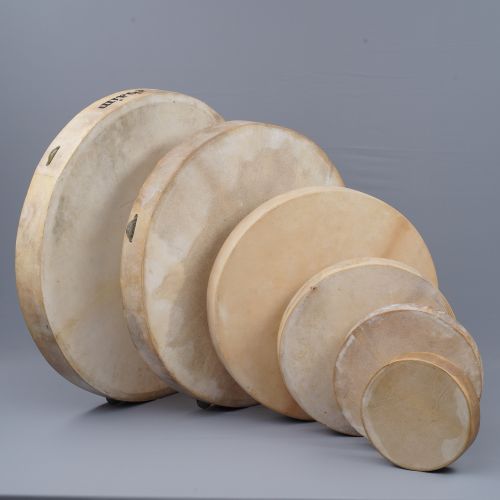
Traditional instrument
Ravanne
The heartbeat of Sega — skin, pulse and collective trance.
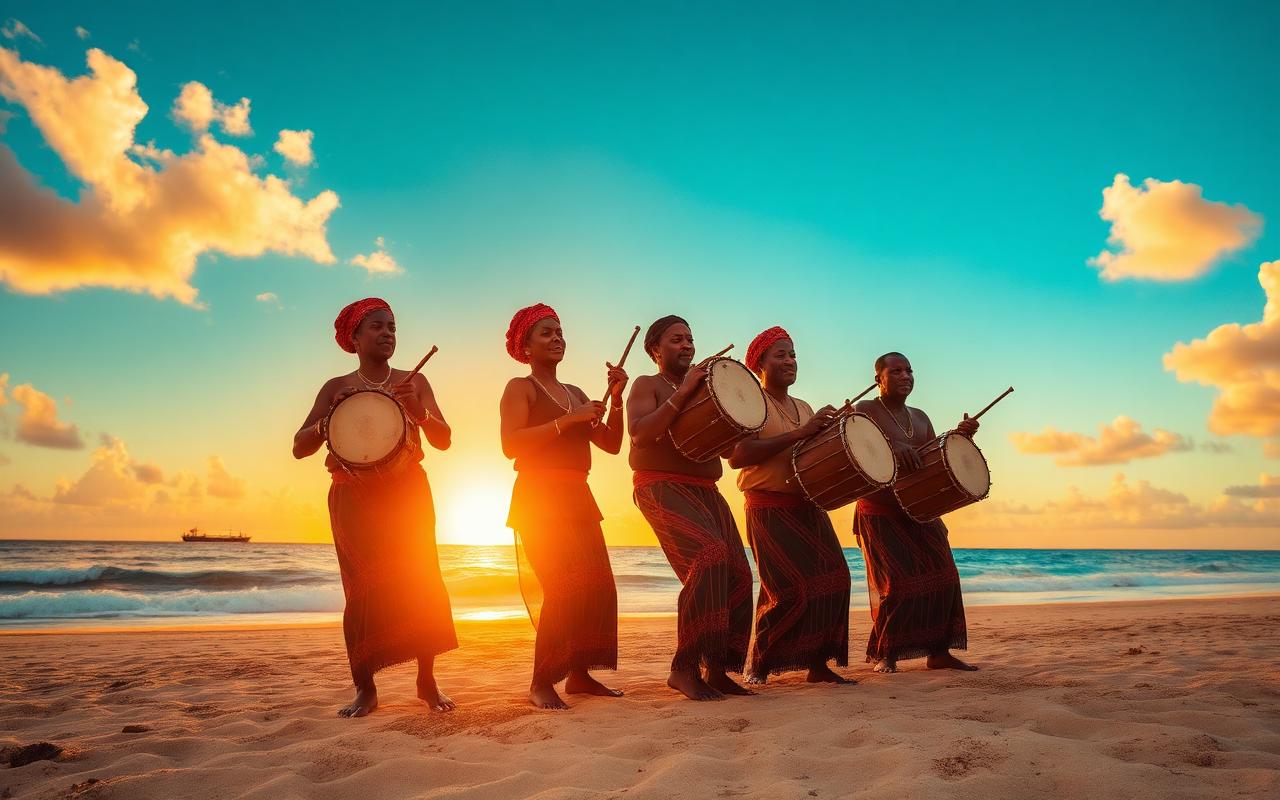
From displacement to digital Creole identity — three centuries of music as survival, culture, nation and global expression.
Mauritian music was born in the plantation era — from enslaved Africans, indentured Indian labourers and other communities thrown together under forced migration. Out of that violence, a new cultural language emerged.
Music became a tool for emotional survival, a form of coded communication, a way to preserve African rhythmic memory, and a bridge between Indian devotional traditions and African percussion heritage.
The earliest and most important form — Sega — emerged among enslaved populations. Performed on beaches and in villages. Built around ravanne, maravanne and triangle. Vocal storytelling in Kreol. Improvised dance, communal participation.
Not commercial. Not institutional. Not stage music. It was lived experience turned into rhythm.
Fusion is not a later evolution of Mauritian music — it is the source code.
The heartbeat of Sega — skin, pulse and collective trance.
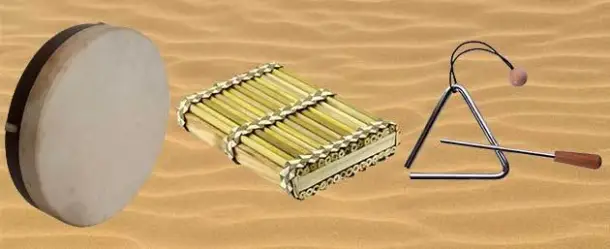
A dry cane-shaker texture that gives Sega its grain and movement.
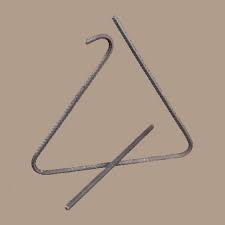
The bright metallic accent that cuts through rhythm with clarity.
Five chapters that took Mauritian music from informal tradition to globally connected creative force.
Born in the colonial plantation era from enslaved African, indentured Indian and other displaced communities. Music becomes survival, coded expression and the preservation of rhythmic memory.
Sega is lived experience turned into rhythm — built on ravanne, maravanne and triangle, sung in Kreol on beaches and in villages.
Sega moves from informal tradition into recorded and broadcast culture. After independence in 1968, music helps define the new nation.
Ti Frère, Serge Lebrasse and Bam Cuttayen turn Sega into a shared Mauritian language of emotion across communities.
Studios, orchestration, songwriting craft and commercial distribution professionalise Mauritian music. Sega splits into traditional, pop and fusion sub-styles.
Michel Legris and a wave of producers expand the palette — bass, keyboards, drum kits — and push the sound beyond local boundaries.
Kaya fuses Sega rhythm with reggae structure and conscious, socially reflective lyrics. A new form is born — globally connected, deeply local.
Seggae proves Mauritian music is never static. It absorbs world genres, transforms them, and gives back something entirely new.
Reggae, dancehall, hip-hop, zouk and EDM influences flood the scene. Home studios replace gatekeeping. Indian Ocean collaborations multiply.
Music becomes decentralised, independent and digitally distributed — the start of a new Creole creative economy.
The legends behind every chapter above — from Ti Frère's coronation at Le Morne to the Seggae revolution that cost Kaya and Berger Agathe their lives.
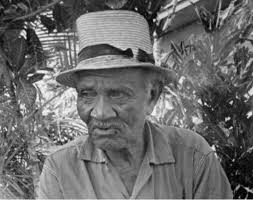
Crowned at the 1964 Night of the Sega. The voice that made the genre national.
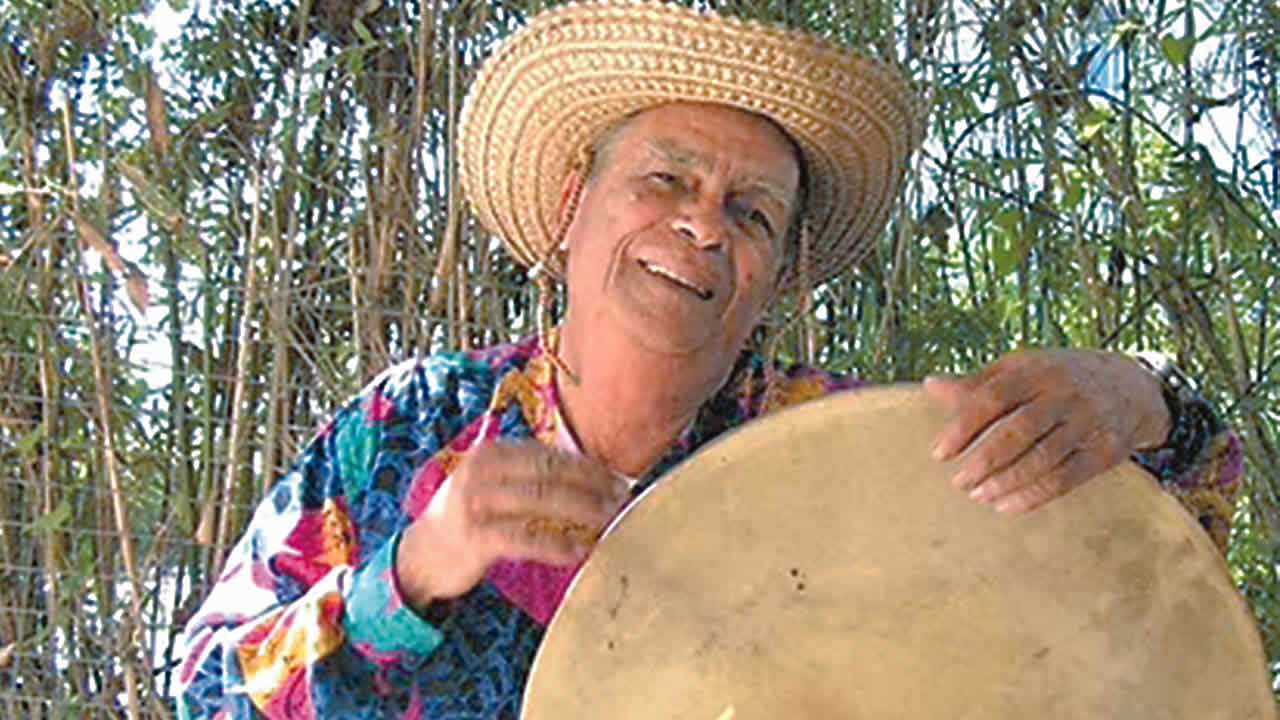
Carried Sega from courtyards into hotels and onto international tours.
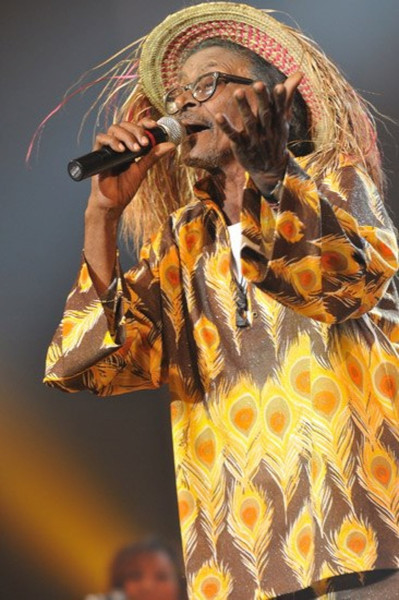
Oral storytelling and a touch of Swahili woven into the songwriting.
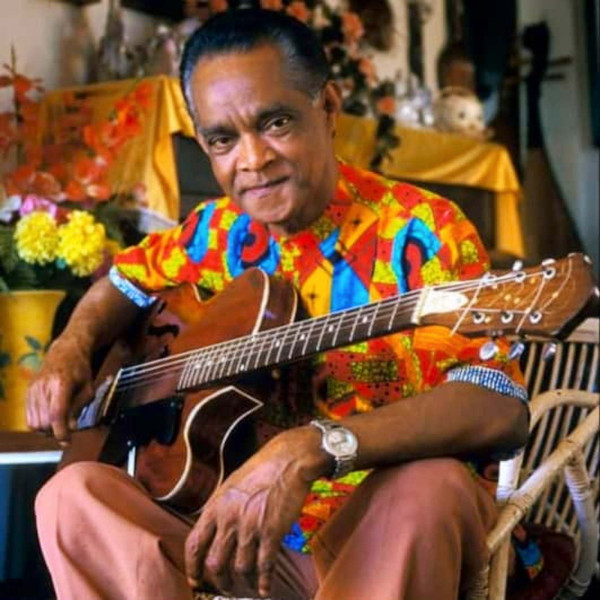
Composed hundreds of Sega singles. Preserved the makalapo and the bobre.
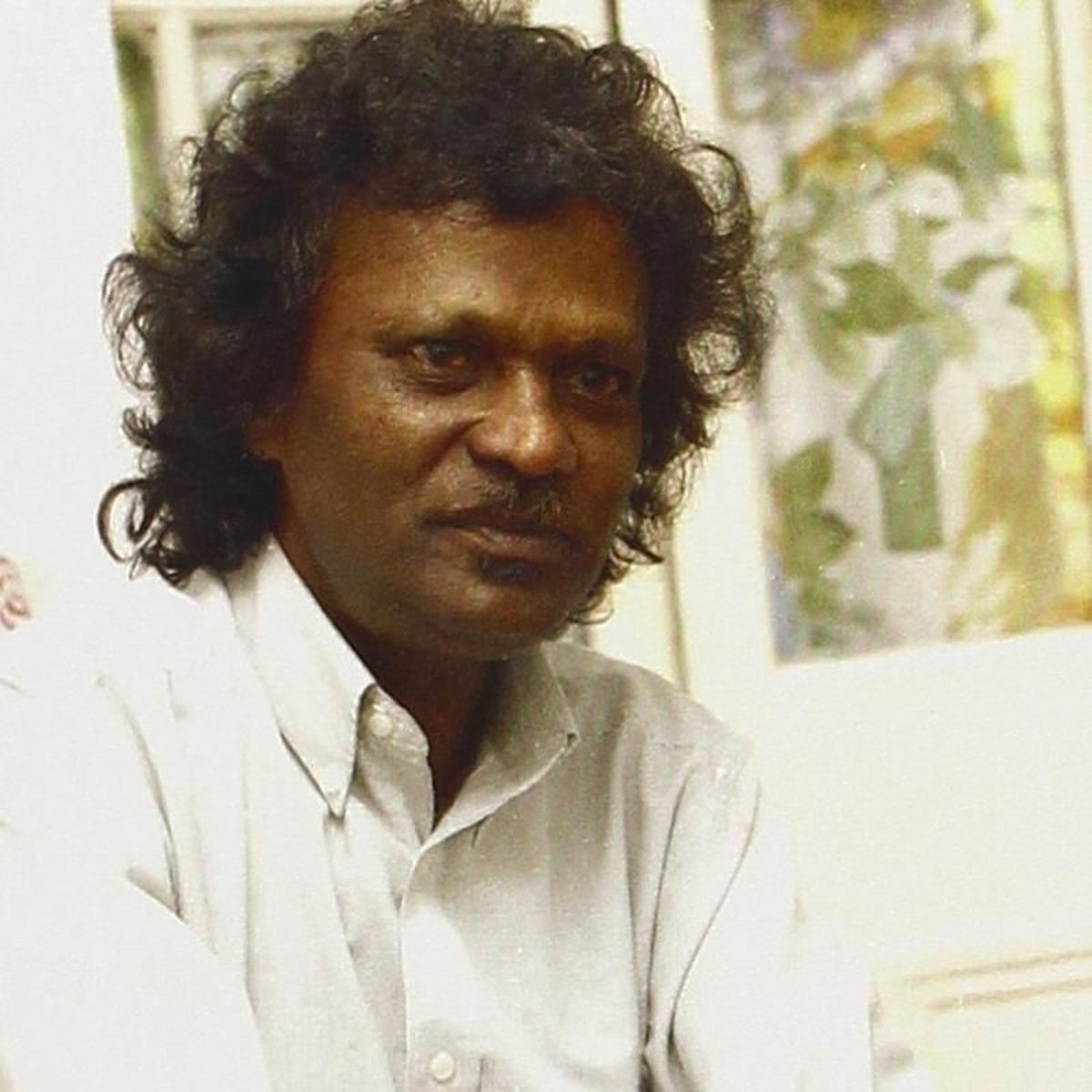
Political voice. Fused Sega rhythm with harmonium and violin.
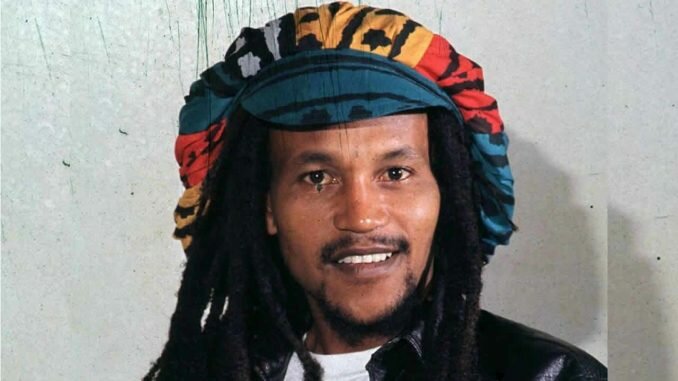
Born in Roche-Bois. Fused reggae and Sega. Died in police custody in 1999.
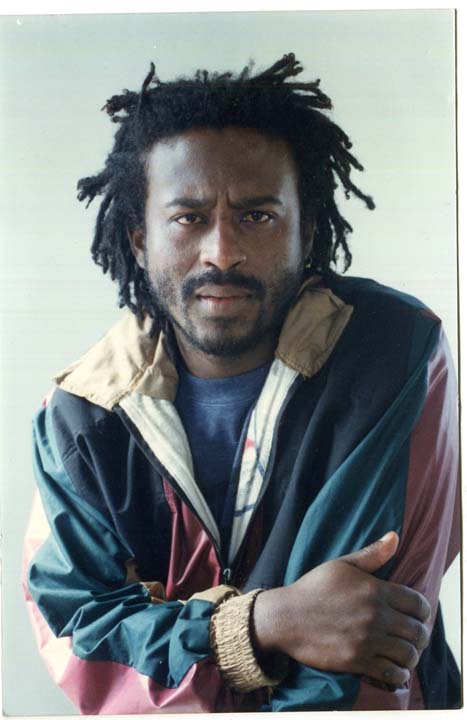
Walked toward the riots after Kaya's death with a white shirt of peace. Shot by police.
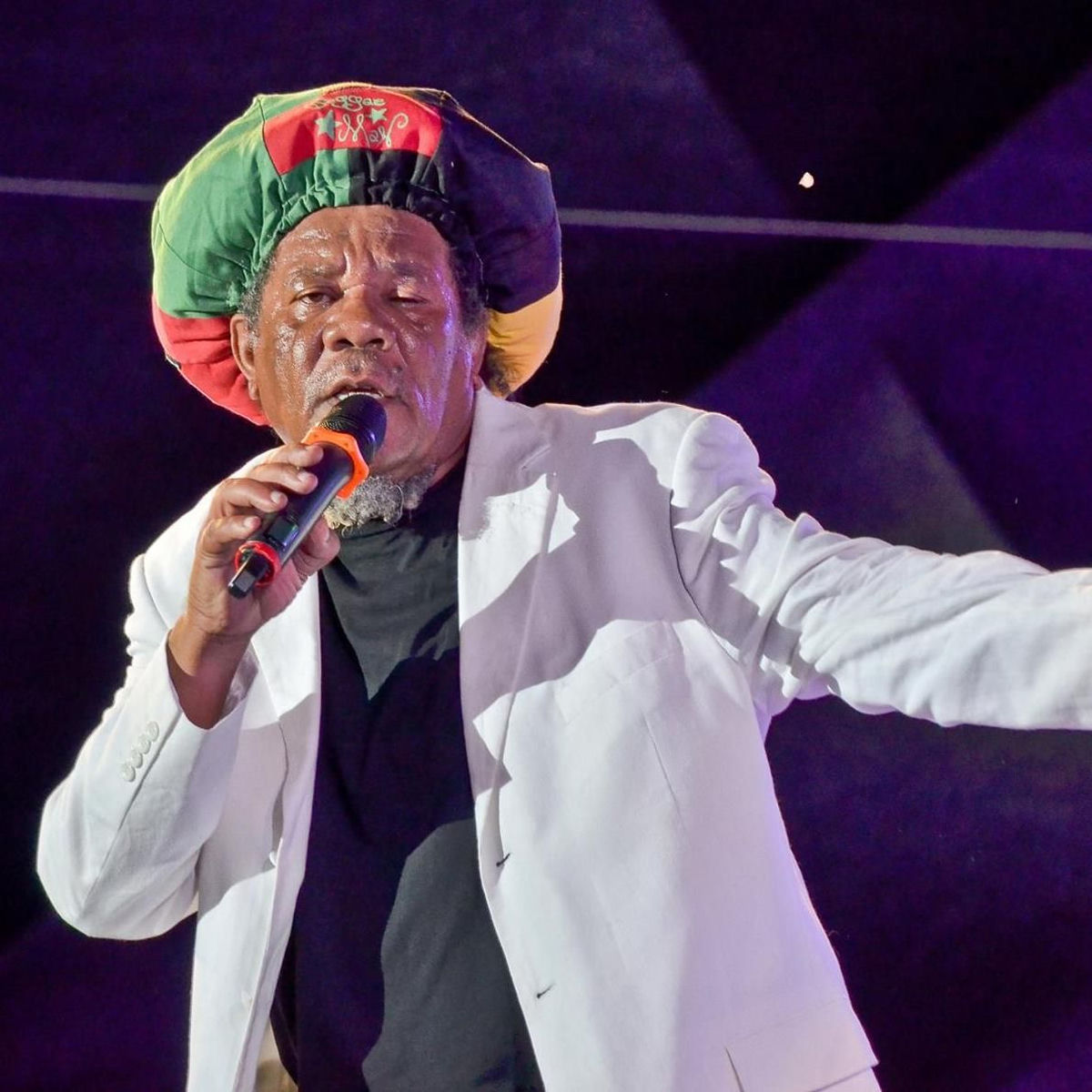
Independently developed Seggae on Rodrigues — released his first cassette in 1987.
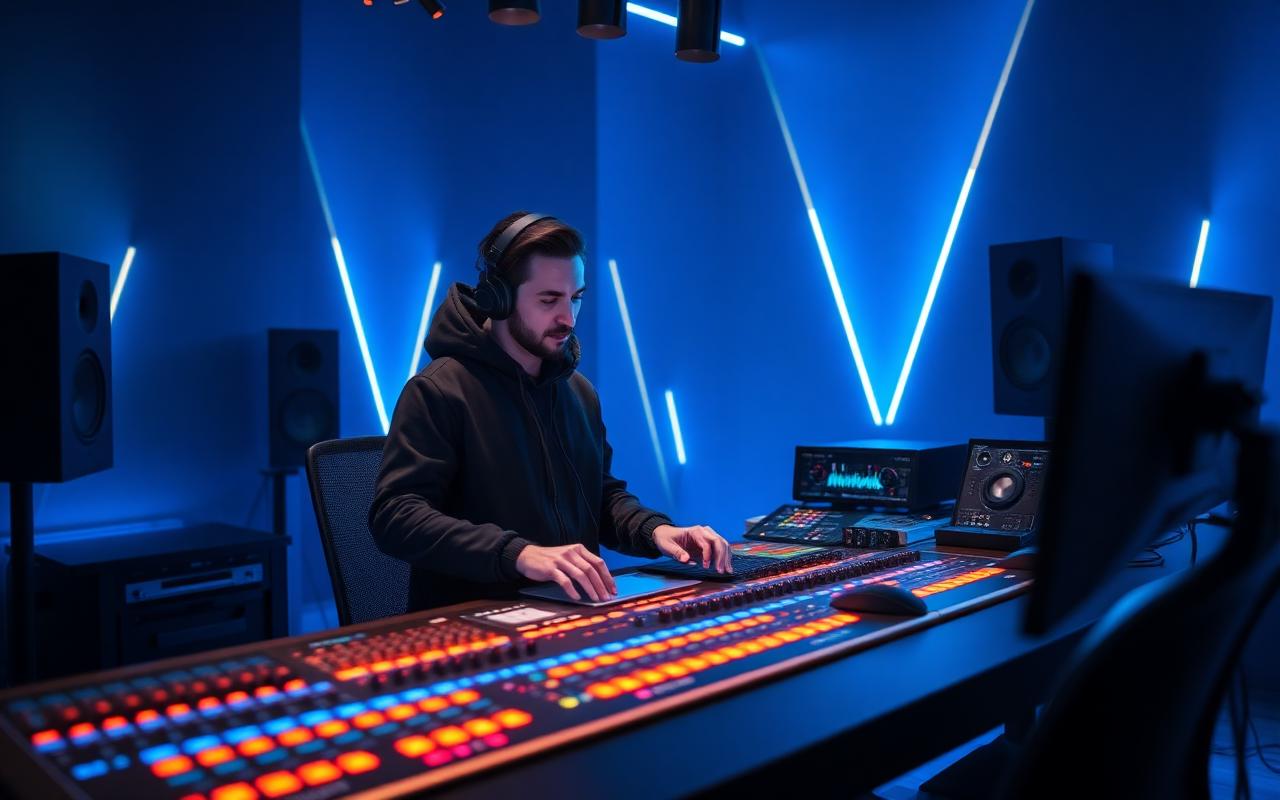
Mauritian music is entering its most important transformation since Sega was born — moving from stages to platforms, from islands to ocean, from genres to identity.
Music is no longer only performed — it is published, experienced and traded digitally. Streaming, direct monetisation and hybrid festivals reshape the industry. Platforms like NOUZIK lead the shift.
Mauritius, Réunion (maloya · sega fusion), Madagascar (salegy) and Seychelles (creole zouk & folk) converge into a unified regional sound exported as one creative voice.
Sega × Afrobeat. Seggae × electronic. Creole jazz × ambient. Ravanne × techno. Oral storytelling × hip-hop. Music becomes less about category, more about identity expression.
AI-assisted composition, automated mastering, virtual instruments modelled on traditional sounds, archival restoration. Technology expands creativity — and makes heritage even more valuable as identity anchor.
Older Sega recordings are at risk. Oral traditions are fading. Instrument craftsmanship is declining. Archives like ours digitise, document, preserve and educate the next generation.
It began as survival.
It became culture.
It became national identity.
It is becoming a global digital expression of Creole creativity.